
In this article
- What is hybrid monetization streaming?
- Why multiple revenue streams streaming services rely on work better
- Common hybrid OTT model combinations
- Ads plus subscriptions
- Freemium streaming with coins and VIP
- How to design a hybrid model viewers understand
- Measure each model separately
- Regional considerations
- Setting up hybrid monetization streaming on NibbleFlix
- Key takeaways
- Frequently asked questions
- What is a hybrid monetization model in streaming?
- Does adding ads hurt subscription sales?
- Should a new streaming app launch with a hybrid model?
- How do coins and subscriptions work together?
Not every viewer will subscribe, and not every viewer will sit through ads. If your app offers only one way to pay, you lose everyone who prefers another. Hybrid monetization streaming fixes that by giving each viewer a path that suits them.
The short answer: hybrid monetization streaming means combining two or more revenue models, such as subscriptions, ads, rentals and coins, inside one app, so free viewers, occasional spenders and loyal fans all generate revenue.
This guide explains how a hybrid OTT model works, which combinations suit which content, and how to set one up without confusing your viewers.
What is hybrid monetization streaming?
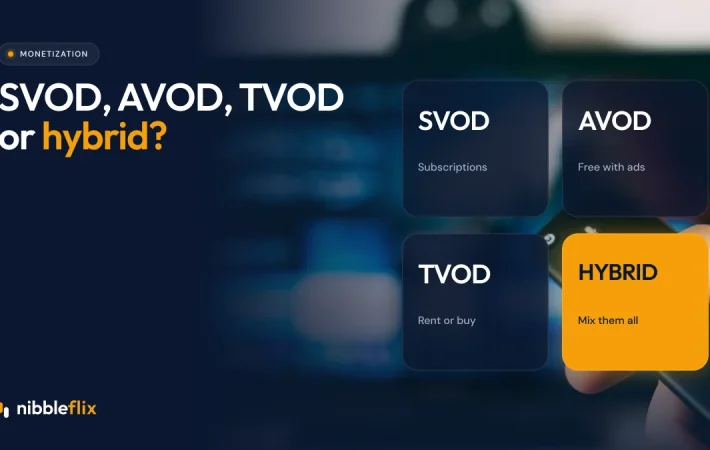
Most apps start with one model. A subscription service (SVOD) charges a monthly fee. An ad-supported service (AVOD) is free and earns from ads. A transactional service (TVOD) sells rentals or purchases. Micro-drama apps often sell coins to unlock episodes.
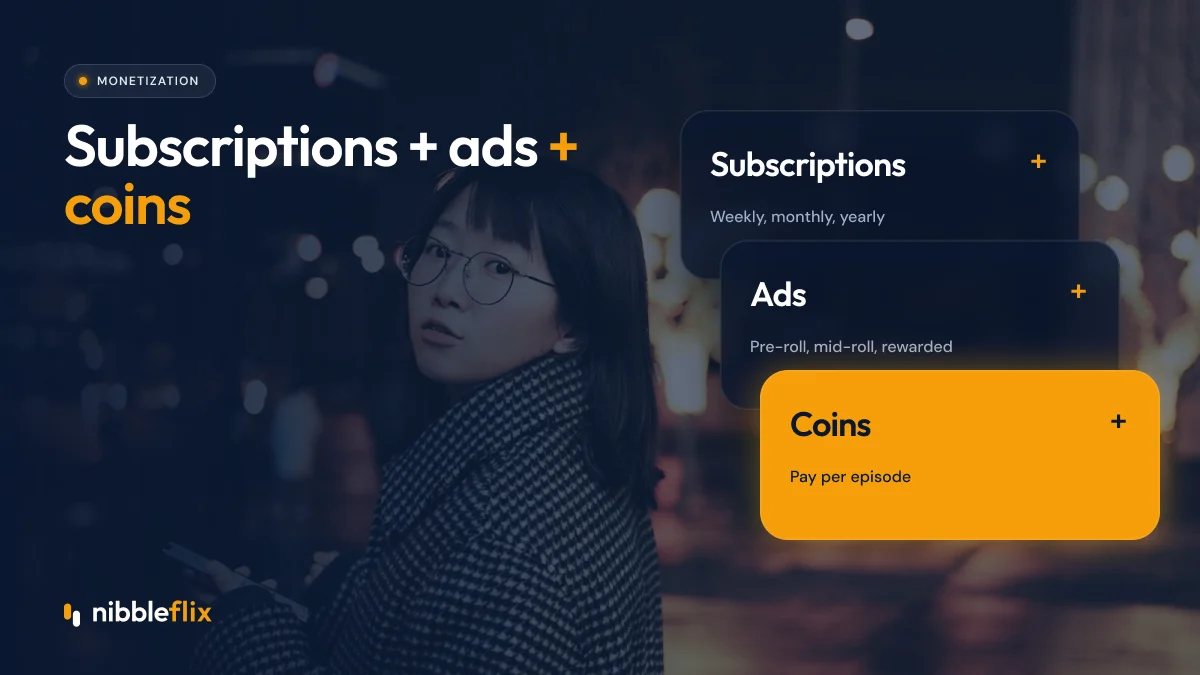
A hybrid model layers these together. A viewer might watch the first episodes free, watch an ad to unlock the next one, buy coins for a binge, then upgrade to a VIP subscription once they are hooked. Each step is optional, and each one earns.
Why multiple revenue streams streaming services rely on work better
Audiences are not uniform. In any app you will find people who never pay, people who pay occasionally and a smaller group who pay a lot. A single model serves only one of those groups well.
- Ads monetize non-payers. Viewers who will not spend still create value.
- Micro-payments catch impulse spenders. Coins and pay-per-episode suit people who want one more episode tonight.
- Subscriptions reward loyal fans. Heavy viewers get better value and you get predictable revenue.
- Rentals cover premium titles. New releases or live events can carry a one-off price.
Market data supports this mix. Short drama apps, which typically combine coins, ads and VIP passes, generated about US$750M in in-app purchase revenue in Q1 2026 according to Sensor Tower. On the ad side, a valantic and FUNKE study found that 71% of DACH connected-TV users accept ads in exchange for free content, which shows how large the ad-tolerant audience can be.
Common hybrid OTT model combinations
There is no single correct mix. The right one depends on your content, region and audience habits.
| Combination | How it works | Best for |
|---|---|---|
| Ads plus subscriptions | Free tier with ads, paid tier without ads | Entertainment libraries, news, kids |
| Freemium streaming with coins | First episodes free, then unlock by coins, VIP pass or watching an ad | Micro-dramas and serialized short content |
| Subscription plus rentals | Library included in plan, new or premium titles rented | Film catalogs, events, education |
| Ads plus pay-per-episode | Free with ads, pay to skip ahead or remove ads | Emerging markets with lower card use |
Ads plus subscriptions
This is the most familiar hybrid. The free, ad-supported tier brings in volume and gives advertisers reach. The ad-free plan gives your best viewers a reason to pay. It works well in Europe and North America, where ad-supported tiers are now common.
Freemium streaming with coins and VIP
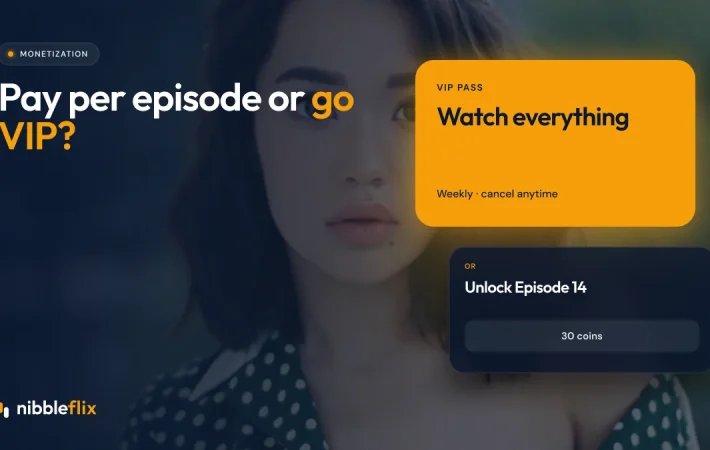
Micro-drama apps popularized this combination. The first few episodes are free to hook the viewer. After that, each episode unlocks by spending coins, watching a rewarded ad or holding a VIP pass. Read how micro-drama apps make money from 2-minute episodes for a full breakdown.
How to design a hybrid model viewers understand
More options can mean more confusion. Keep the experience simple with these rules.
- Lead with free. Let new viewers start watching before asking for anything.
- Show clear choices at the paywall. Two or three options, each with a plain price in local currency.
- Make the subscription the best value. If coins add up faster than a VIP pass, heavy viewers will notice and upgrade.
- Cap ad load. Too many ads push people away from your free tier entirely.
- Use promotional offers. First-week discounts or bonus coins help convert hesitant viewers.
Measure each model separately
Track revenue per viewer for each path: ad views, coin purchases, rentals and subscriptions. Watch whether a change in one model shifts viewers away from another. For example, if lowering the coin price reduces VIP sign-ups, total revenue may fall even though coin sales rise. Look at the whole picture before you decide.
Regional considerations
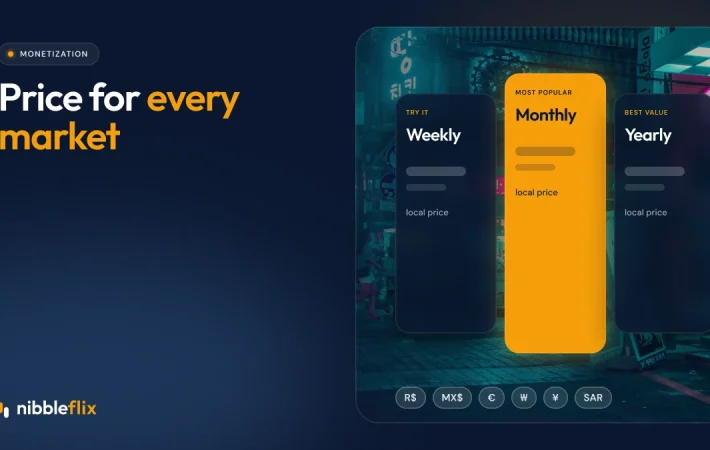
Payment habits vary. In parts of Latin America and Southeast Asia, many viewers prefer small, frequent payments over monthly card charges, so coins, weekly passes and rewarded ads matter more. In the Gulf, premium subscriptions are well established. In Western Europe, ad-supported tiers and annual plans both perform. Our guide to streaming subscription pricing in emerging markets covers regional pricing in more detail.
Setting up hybrid monetization streaming on NibbleFlix
NibbleFlix supports subscriptions (SVOD), advertising (AVOD), rentals (TVOD), pay-per-episode, coins, in-app purchases and promotional offers, and you can combine several in one app. From the admin dashboard, you set prices, decide which episodes are free and see earnings by model, with no code needed.
You can change the mix as you learn. Start with ads plus a subscription, add coins for a new micro-drama series, or run a promotional offer for a holiday weekend. Explore every option on the monetization page.
Key takeaways
- A hybrid OTT model earns from non-payers, occasional spenders and loyal fans in one app.
- Popular combinations include ads plus subscriptions, freemium with coins, and subscription plus rentals.
- Keep the paywall simple and make the subscription the best value for heavy viewers.
- Adapt the mix to regional payment habits.
- Test, measure and adjust the mix over time.
Want to see how subscriptions, ads and coins can run side by side in your own branded app? Book a demo.
Frequently asked questions
What is a hybrid monetization model in streaming?
It is a setup where one app earns from several models at once, for example ads, subscriptions, rentals and coins. Viewers choose how to pay, or not pay, and each choice still generates revenue. It helps you earn from casual viewers and loyal fans in the same app.
Does adding ads hurt subscription sales?
Usually not, if ads are limited and the paid tier removes them. A free tier with ads often feeds subscriptions by letting people try the content first. Keep ad load reasonable and make the benefit of upgrading clear, such as no ads, full library access or early episodes.
Should a new streaming app launch with a hybrid model?
Many do, but keep it simple at first. Two models, such as ads plus a subscription or free episodes plus coins, are easier to explain and measure. Add more options once you see how viewers behave and where revenue comes from in each region.
How do coins and subscriptions work together?
Coins let viewers pay per episode, while a VIP subscription unlocks everything for a set period. Price them so that frequent viewers save money by subscribing. Occasional viewers stick with coins, binge viewers upgrade, and you earn from both without forcing anyone into a single plan.